
When the Tape Stops
D’Angelo’s “Untitled” & The Stories that Make Us Human


Before we get too deep into my latest essay, I wanted to tell you about a new website for music lovers that my friend Adam Offitzer started called Encore.
Encore is like Letterboxd or StoryGraph, but for concerts. You can log every show you’ve ever been to, track what’s coming up, see what shows your friends are going to, and share the photos, videos, and memories that make live music so special.
When Adam first invited me to join Encore, I excitedly told Elizabeth about it, and we stayed up until 2 AM updating all the shows we’ve attended—many of them together. Every five minutes, one of us would remark how much fun we were having.
To help you get in on the fun, Adam hooked me up with a code to skip the waitlist specifically for Feels Like Home readers. Sign up here for early access.
Scroll to keep reading.
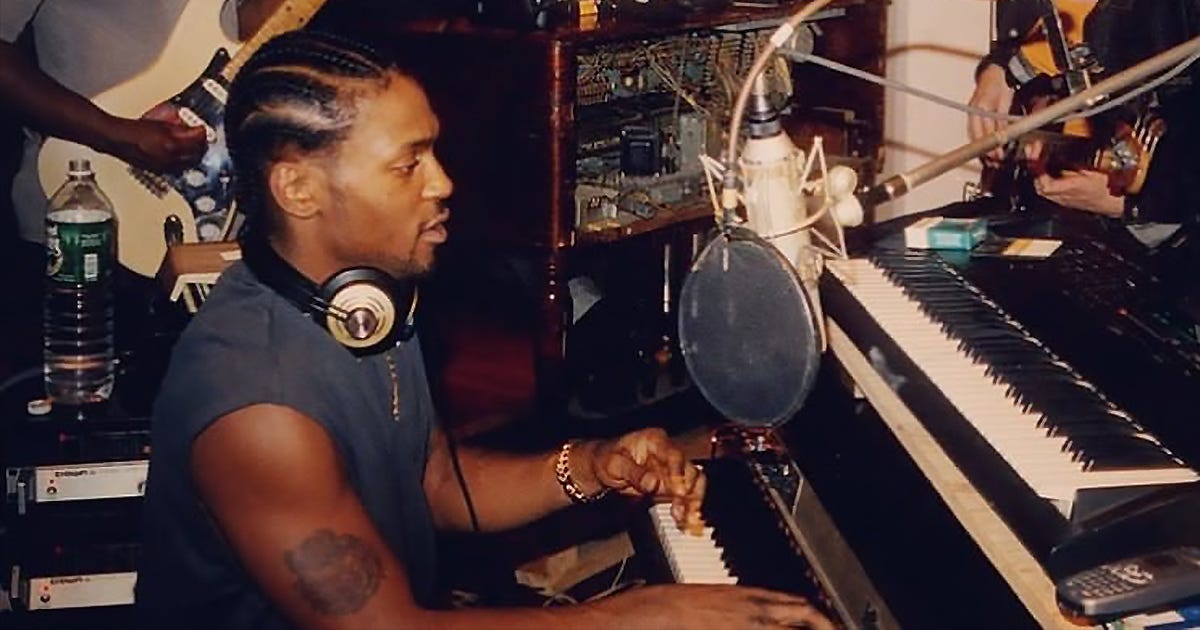
At a time when the future felt inevitable, D’Angelo kept us from losing recipes. Years before he christened the new millennium with his 2000 album Voodoo, mixing engineer Russell Elevado put D’Angelo onto one of the artists who would most significantly shape his sound: Jimi Hendrix. D’Angelo heard Hendrix’s Electric Ladyland album and learned how the legendary musician inspired some of his favorites, including Stevie Wonder. This led the Virginia native to record Voodoo at Electric Lady, the Greenwich Village studio that Hendrix built in 1970 before he died.
More than just the memory, D’Angelo was in search of a feeling. In a conversation with Jason King, who penned liner notes for the vinyl re-release of Voodoo in 2012, Elevado recalled D’Angelo’s first visit to Electric Lady: “As soon as we walked into the main room, which for the most part was still as Hendrix left it when he passed, D’Angelo said: ‘This is it. We have to do Voodoo here.’”
Elevado noted how they were blowing dust off the same electric piano that Stevie Wonder was said to have recorded with in the early 1970s. “You have to remember that at that time in the mid 1990s, hardly anybody in soul music was doing any recordings with vintage equipment like that,” he continued. “Nobody was really tracking bands anymore except for some of the rock guys. And so we really felt like we were bringing something back.”
It’s this intentional movement toward the past, toward more analog recording techniques, that created the conditions for one of my favorite D’Angelo stories and bits of music lore. “Untitled (How Does It Feel),” the Voodoo track that was co-written by Raphael Saadiq, is widely regarded as D’Angelo’s most notable song—not only for its hard-to-put-down hook, but even more so for the music video that left viewers wanting more while nearly pushing D’Angelo to the end of himself.
While this is all noteworthy, the most fascinating part of “Untitled” for me is how the song ends. After seven minutes of sonic arousal, as D’Angelo is still singing, the song does just that: it ends. Rather abruptly, I’ll say. It jumps so fast to the album’s last song, “Africa,” that you might miss it. And while it was an intentional choice to leave the song like that, the ending wasn’t planned. Saadiq went on to share that “Untitled” cuts out the way it does because they were analog recording the track on digital audio tape and the tape ran out.
The ending is ultimately what gives “Untitled” its name. Last February, Saadiq spoke on this with the Los Angeles Times, stating that the digital audio tape says “Untitled” when a song isn’t completed. He also added, “We didn’t really get a chance to finish the ending, so I was like, ‘You should just leave it like that.’”
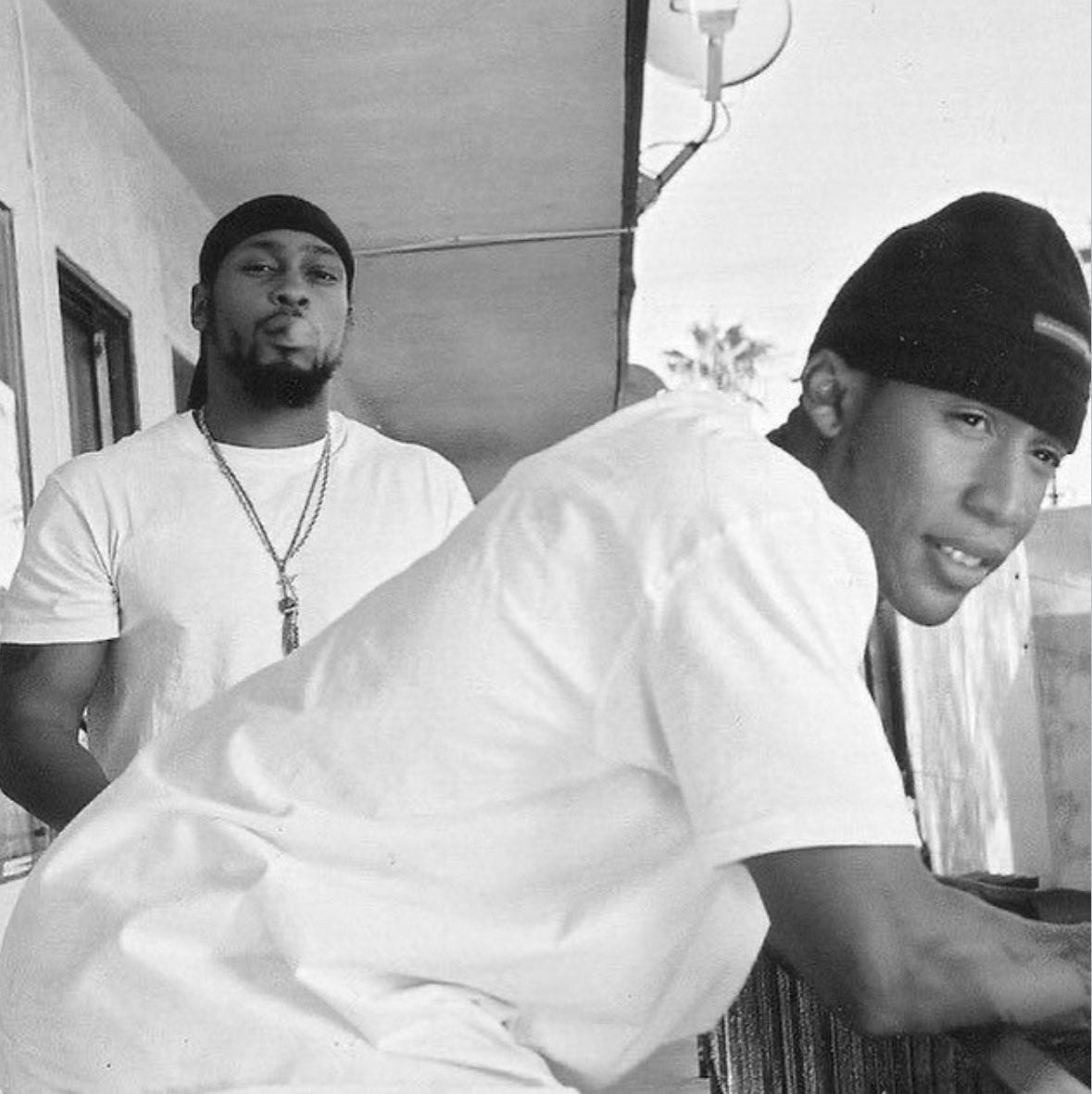
I’m glad they didn’t touch the ending. I’m especially happy that we now have this story because, more than just being a cool factoid to roll out in conversations to impress the casual music fan, it’s also a testament to the mishaps and miracles of human creation. By bringing back the more tangible elements of music making that he observed in his idols, D’Angelo made room for the types of stories he probably heard about his idols—and the stories we now get to hear about him.
More than 25 years since D’Angelo released Voodoo, we find ourselves at a time where lifelessness is celebrated as a technological advancement. We’re told that AI is here whether we like it or not, and our success will depend on our ability to leverage it for growth and progress. There are fears of AI swallowing up whole industries and water supplies, and I must confess that one of my greatest fears is AI dissolving our humanity. The pieces of us that can’t be contained in a prompt.
When I ask someone how they made something, I don’t want the answer to start and end with AI. I can show you a finished product and maybe that’s enough for you, or I can tell you how I had one idea and was inspired in another direction. I can tell you how I sat on this essay for six months because I didn’t have the words yet, but when I least expected it, something finally clicked. And what I hope you hear isn’t that AI could’ve helped me arrive here sooner, but that I couldn’t have gotten here at all—at least in a way that I’m proud of—without the micro-stories present in every breath and interaction that led to this point.
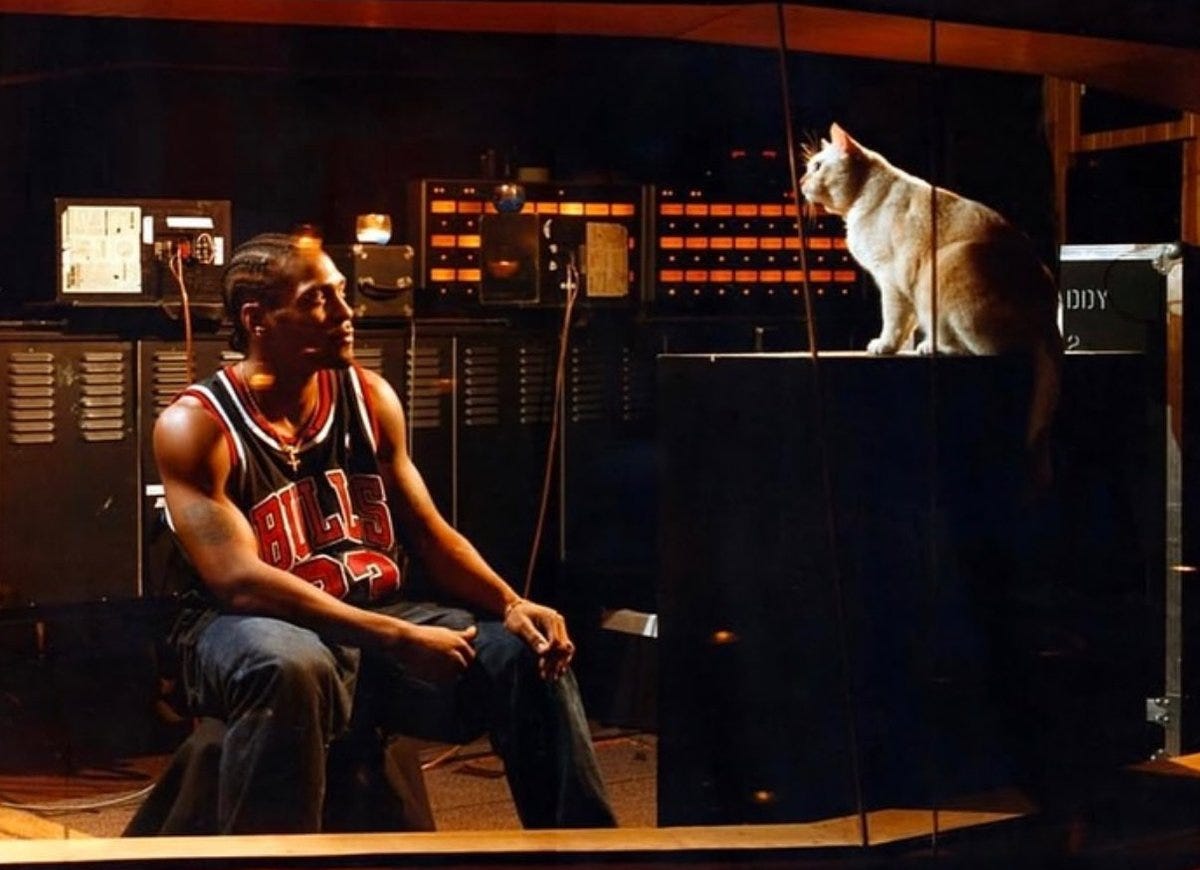
In this moment, when intelligence can be artificial and everything feels insane, there’s an appetite for feeling and connection. We have to work harder to create the texture of realness—to make things that activate our senses and breathe life within a lifeless creative landscape.
In her book, In the Margins: On the Pleasures of Reading and Writing, Elena Ferrante writes:
“Anyone who has literary ambitions knows that the motivations, both great and small, that impel the hand to write come from “real life”: the yearning to describe the pain of love, the pain of living, the anguish of death; the need to straighten the world that is all crooked; the search for a new morality that will reshape us; the urgency to give voice to the humble, to strip away power and its atrocities; the need to prophesy disasters but also to design happy worlds to come from there.”
Ferrante’s emphasis on “real life” takes me back to Lorde’s Ultrasound World Tour stop in Columbus last September. The actual date, September 23rd, was believed by some to be when Jesus would return—otherwise known as the “rapture.” But instead, Lorde descended upon the masses at Value City Arena and declared, “This is real.” She repeated this mantra throughout the show: a call to recognize our shared humanity. The physicality of being together in one place, standing shoulder to shoulder, sweating, singing, dancing, and seeing what’s possible when we gather around what we love.
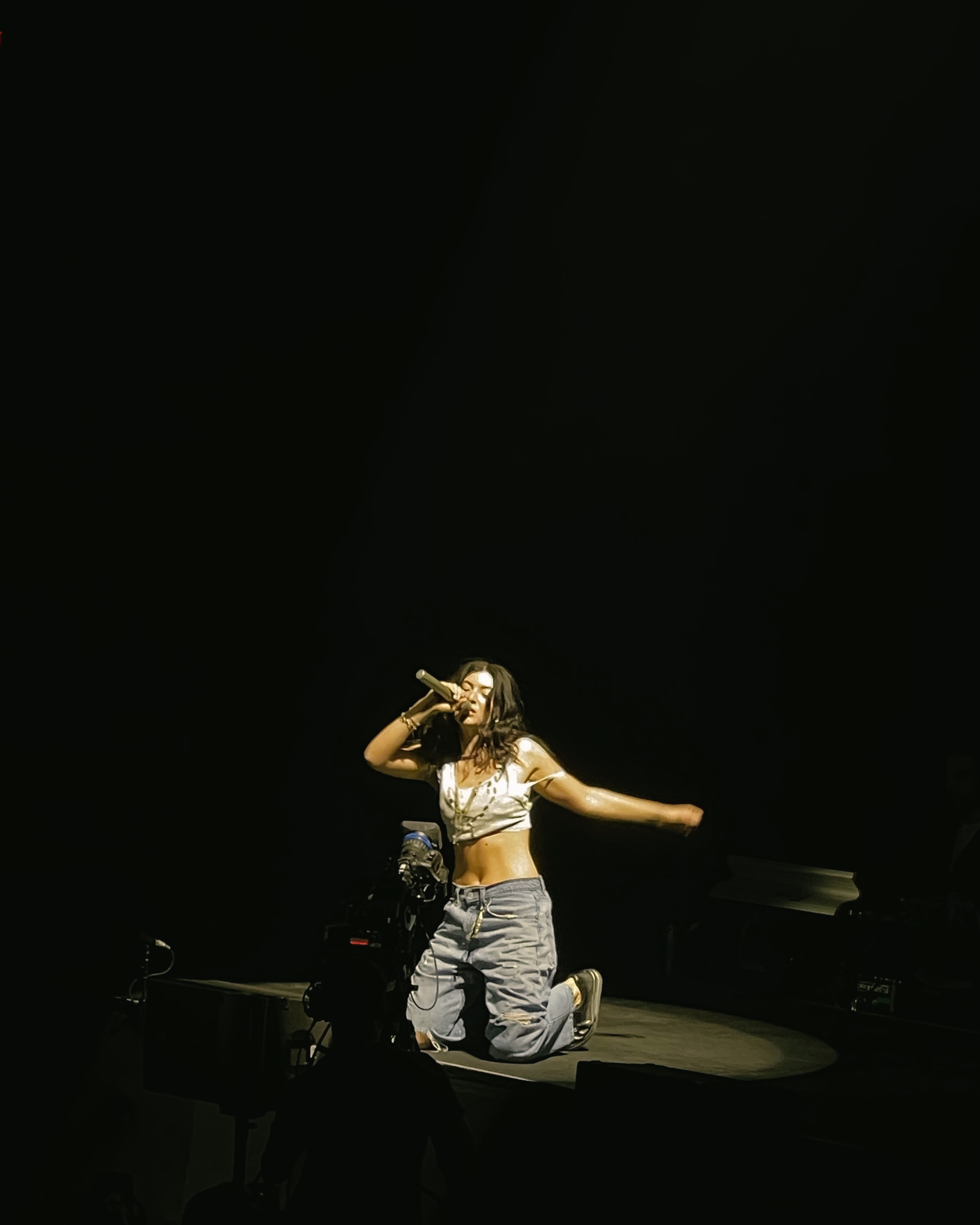
As we stood in this large basketball arena that Lorde made feel uncharacteristically small, I appreciated that she kept returning to this sentiment that we were experiencing — living — something real. Her insistence implied an understanding that we’ve been deeply conditioned to overlook the sacredness of these moments, especially as our interactions are increasingly dictated by algorithms and aided by ChatGPT. Through this simple reminder, Lorde was calling us back to ourselves.
I believe this return to self was at the heart of D’Angelo’s push to make Voodoo at Electric Lady. In the search for something real, he made music we could feel and leveraged analog techniques and equipment that made soul more than a genre, but something we could face in him and ourselves. We don’t get the story behind “Untitled” or even the name without the way they recorded it. D’Angelo didn’t call the song “Untitled” because a chatbot told him to; he did it because that’s where the process took him.
It’s tempting to opt for convenience over the messiness of toiling away at art, but when we erase the steps that got us there, we also lose the stories that make us human. The recipes for a full life.
Thank you!
I appreciate you reading! If you enjoyed, please share it with someone special.
Was this forwarded to you? Sign up here to receive my next newsletter directly in your inbox.
Support the newsletter: If you’d like to support my work, consider becoming a Paid subscriber to Feels Like Home or buying me a coffee.
Stay connected: For more thoughts and updates, follow me on Substack, Instagram, and Threads.