

I started last night with a question: how can we talk about music at a time like this? This is a riff on another question that Ross Gay once received from a white woman at one of his readings: how can a Black man write about flowers at a time like this? Hanif Abdurraqib addressed this question in his poetry book, A Fortune For Your Disaster. And I asked us to sit with this idea to kick off Album Club.
Inherent in these lines of thinking is the reality that there have been times, there will be times, and this is certainly a time. We’re not new to violence or war or imperialism or death or dying children or unnecessary displays of power. In fact, these are hallmarks of living in the belly of the beast. However trivial they may be, we talk about music and flowers because we’re more than what we’ve been handed.
As Ross Gay told NPR’s Brittany Luse, “Gathering around what we love might, in fact, be the process by which we imagine the lives that we want.” Said another way, also by Gay, “Noticing what we love in common, and studying that, might help us survive.”
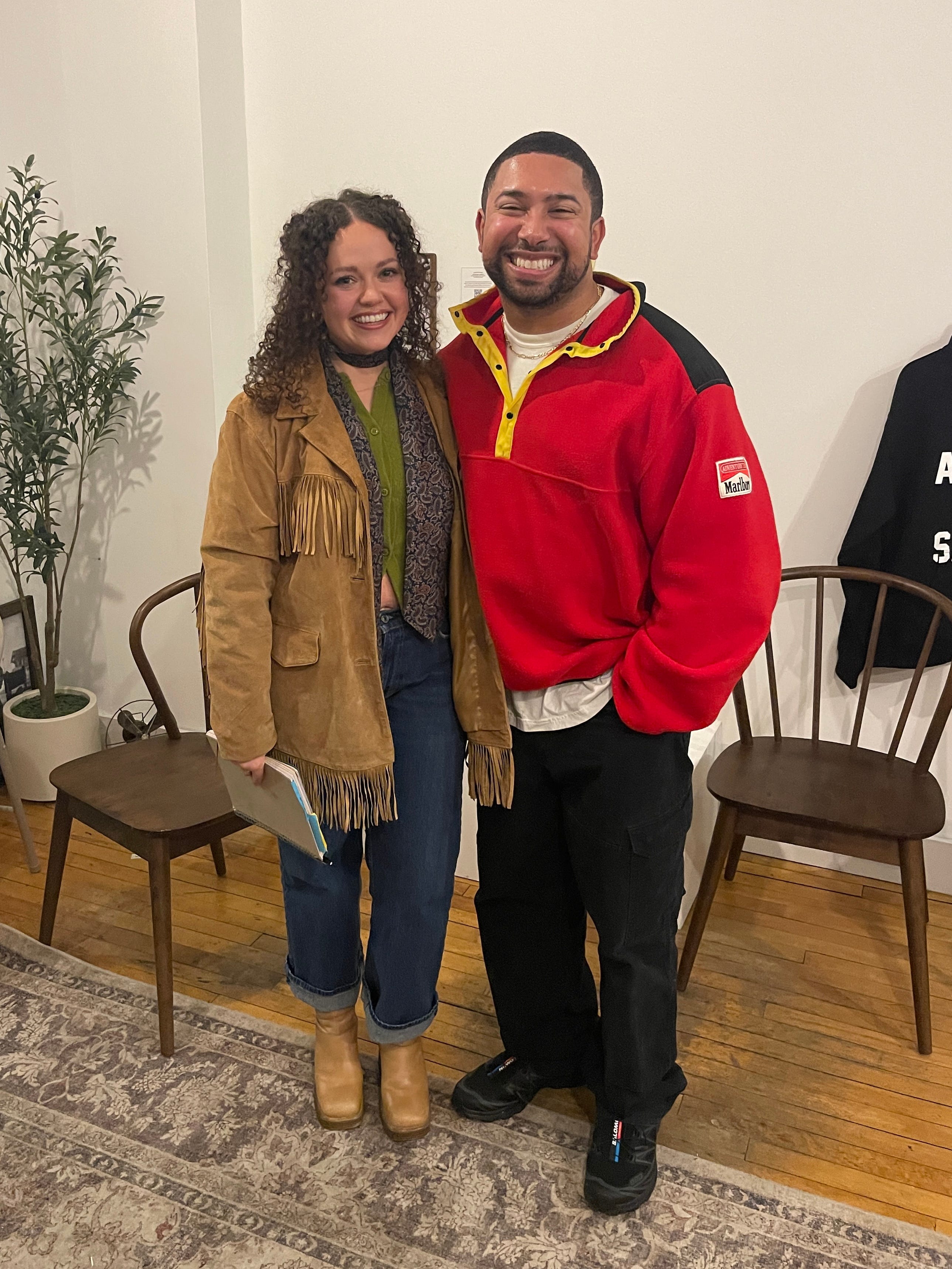
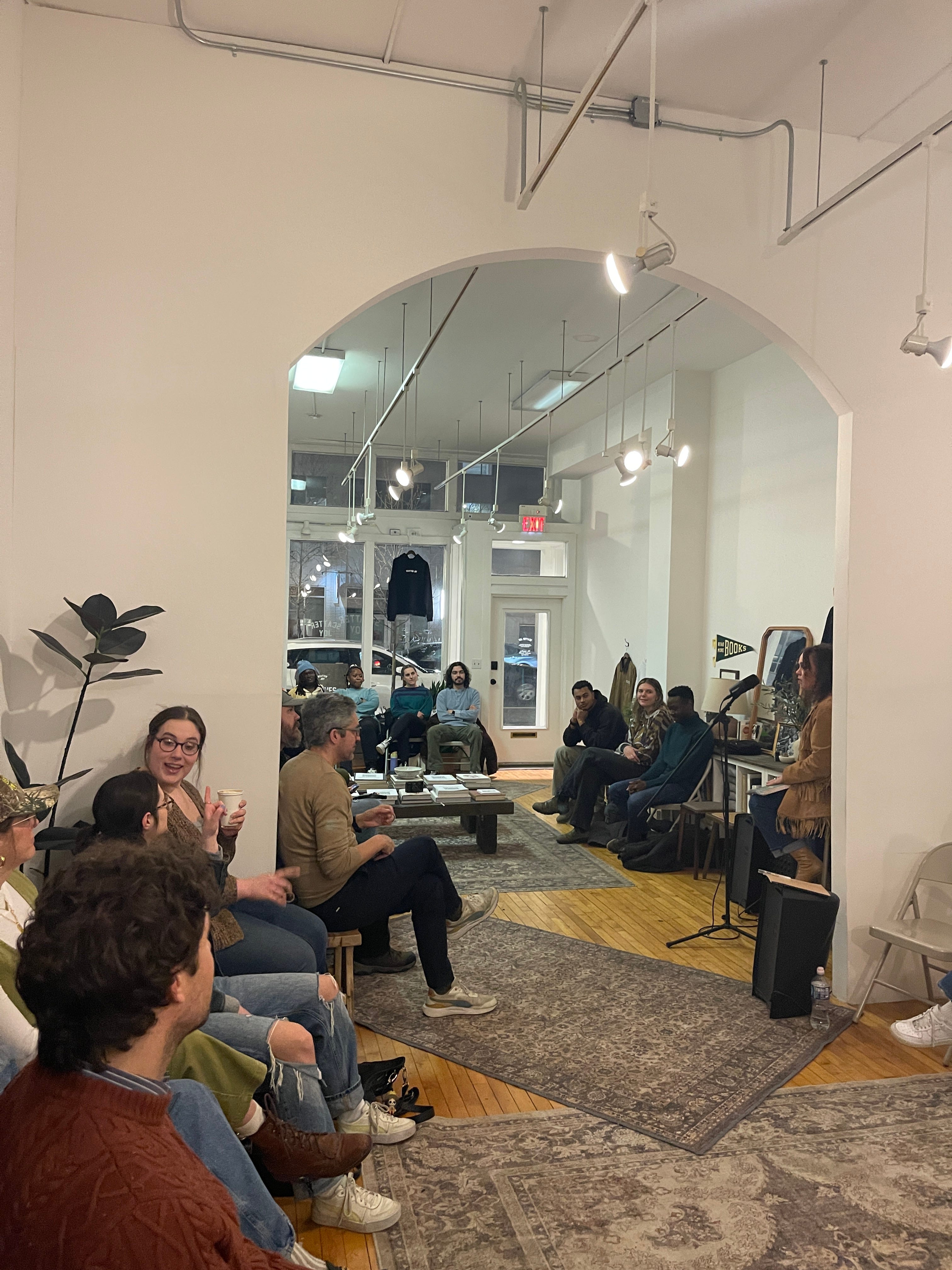
Last night, my friend and fellow Substacker Anna Pompilio invited us to share in her love for Waxahatchee’s Saint Cloud, and I want the beauty we experienced in that room — the openness, the togetherness, the curiosity! — to permeate our world. To be something we aspire to.
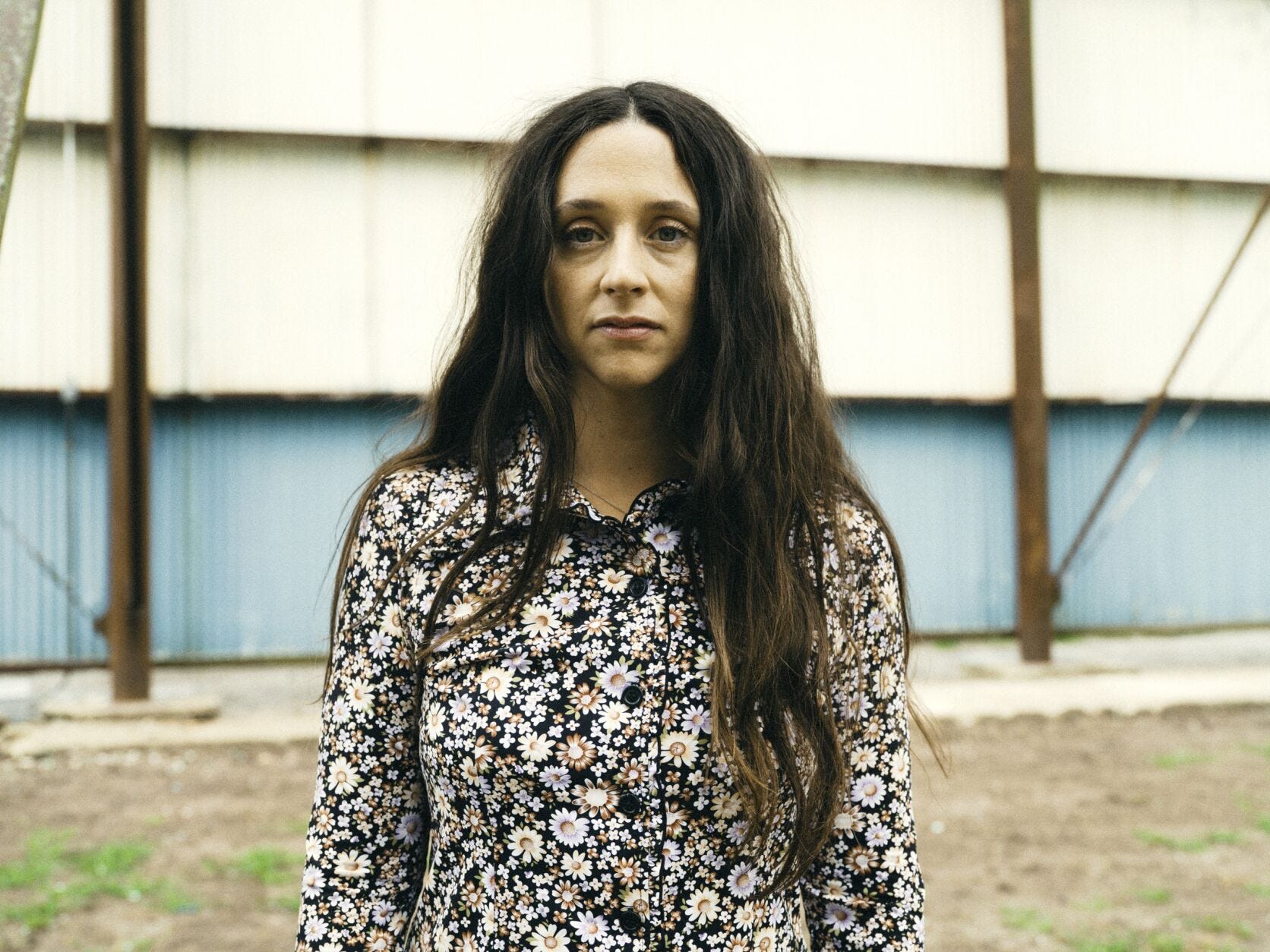
Katie Crutchfield, who has been making music as Waxahatchee since 2010, returns home on Saint Cloud. Newly sober, the singer-songwriter reflects on who she is, where she’s been, and who she hopes she has a chance at being on the other side of her alcohol addiction. For better, and for worse, Crutchfield has been shaped by her homes. They’ve helped nurture her artistic dreams and desires, and they’re also where she inherited her wild side—the addiction and struggles she’s now trying to heal from.
As noted on “Ruby Falls,” which I consider the saddest song on the album, Crutchfield worries that she hasn’t lived as fully as she could and won’t be able to if she keeps on drinking how she was accustomed to. She fears letting people in and worries what they’ll find if they discover the real her.
On “Arkadelphia,” Crutchfield writes, “If we make pleasant conversation, I hope you can’t see what’s burning in me.” She hides in the mundane, right beneath the surface, hoping even those she’s closest to won’t force her to face herself. But when you come home and you’re surrounded by the folks who know you best, there’s no hiding. “You strip the illusion.” You find that the myth you’ve built has no real love to give. It can’t hold you in the ways your people will.
We try to convince ourselves that our struggles have nothing to do with anyone else, that they’re not worth burdening others with, but the irony is that we have everything to do with each other. “Our belonging to one another is always there,” Gay told NPR. “Our reliance upon one another is always there.” We are “condemned to interdependence,” as declared by Thomas Sankara.
Our attempts at escaping the concerns of those around us are futile. The myth can’t hold up. “You can’t bluff or outsmart.” We need each other, and we waste more time trying to hide than making ourselves available to care.
When we surrender to the love waiting to catch us, we find, as Crutchfield did, that “you won’t break it after all.” Our struggles aren’t too heavy; we’re not too much. This surrender is a return home—back to where we were once held, only to be held again, only to be reminded that they’ve got us, that our people have always had us.
At some of my lowest points, I returned home. I walked through the door at my most broken and allowed my people to put me back together again. I couldn’t feign strength anymore. I was out of answers; I needed help.
On the album’s final track, “St. Cloud,” Crutchfield sings, “Where do you go when your mind starts to lose its perfected shape?” Back to the place I know, to the people I know, holding onto hope that they might shape me into something new. Someone who can experience all this life has for me. Everything I’m meant to taste and see.
That’s not to say home is perfect. As we discussed, in connection with Crutchfield’s lyrics, there’s a tension in returning home. Many of us left for a reason. We may love where we’ve been, but we also know it’s not good for us to stay. I wrote about Hayley Williams and Joy Oladokun wrestling with this dilemma in their music. And still, there’s a difference between what we have and what we want.
Crutchfield expresses her wants throughout the album. I thirst for a future that my present doesn’t always mirror. It’s these desires that help articulate the things that feel like home for me; they guide me toward the heaven I want to create amidst this hell. All of us showing up to share in our love for music, to laugh with one another and “try to give it all meaning” — even at a time like this — I get a glimpse of who we can be. Album Club shows me what’s possible.
For updates on future Album Club meetings, follow us on Instagram!
Even if you’re unable to join The Album Club in person, let’s continue the conversation in the comments. Feel free to answer any or all of the questions that Anna outlined for last night’s Saint Cloud discussion:
What did you first hear on this album? The sense of quiet introspection? An immediate “thaw” of lilacs, riffs, and Americana? Something altogether different
Does Saint Cloud feel like an indie album wearing a prairie dress and driving a pickup? What lyrics, sounds, or production choices push it one way or another? Any moments on the record that feel evenly both?
How did you interpret “Fire” when you first heard it? Does it feel like it’s about putting something out or igniting something?
Lyrics often oscillate between poetry and plain-spoken on this album. Do you think that helped make the project more communal? For better or worse, what lyrics stood out to you?
What was your favorite song? If you could cut a song, which one would it be?